My story
How an ordinary marketer with a solid case of impostor syndrome got a denial, rebuilt everything from scratch — and got her EB‑1A approved in 17 days
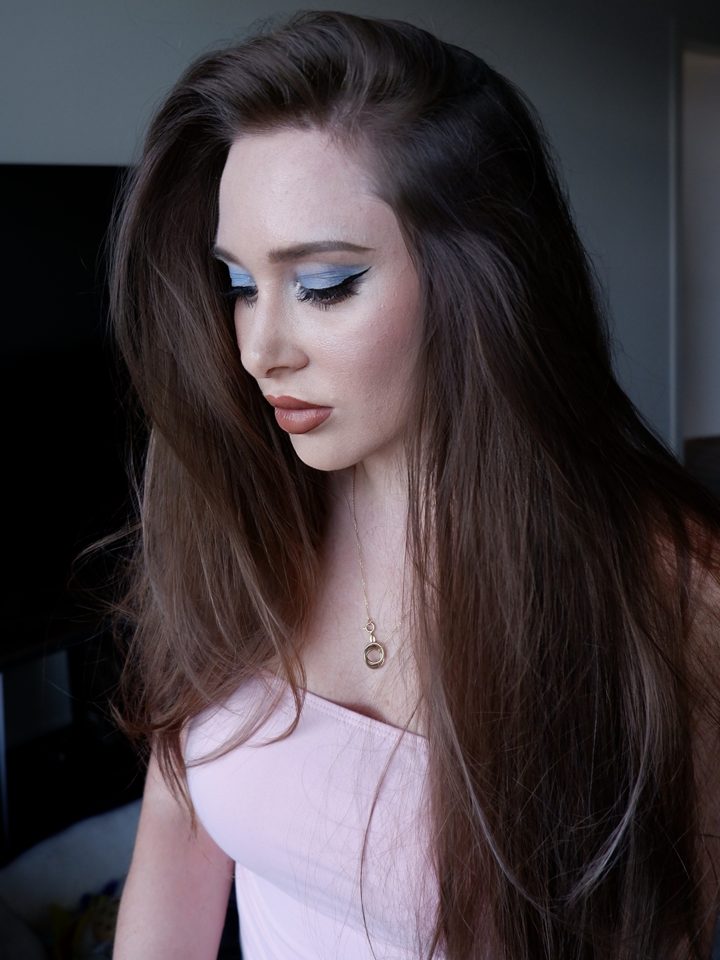
Where I come from
I’ve been in marketing since 2012 — with a master’s degree in marketing and, later, the Post Graduate Program in Marketing at Texas McCombs (2023–2025). Most of my career happened where my two passions meet: travel and tech, with 70+ countries along the way. Beyond travel, I’ve led social media for health‑tech, fintech and e‑commerce brands, including a US health‑tech startup where I worked as CMO.
the three companies that shaped me2020–2021SkyUp AirlinesSMM teamThe sneakers uniform launch, an Instagram AR mask and a press tour to Kazakhstan
The uniform launch
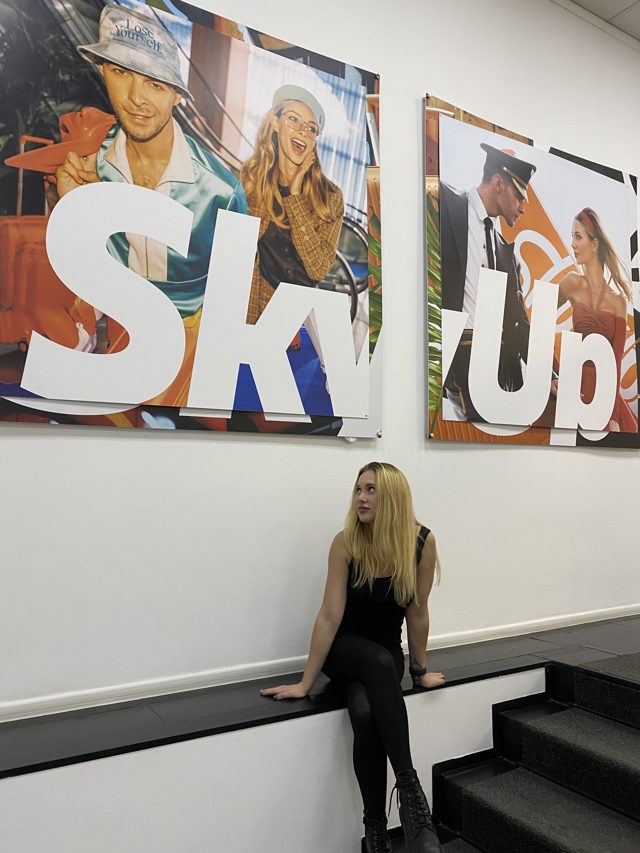
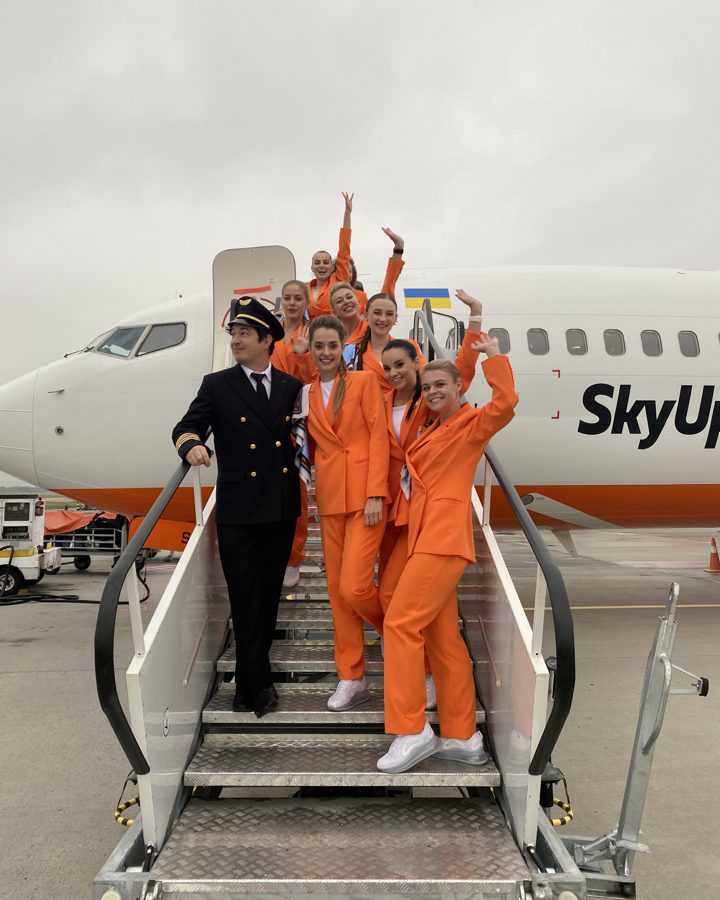
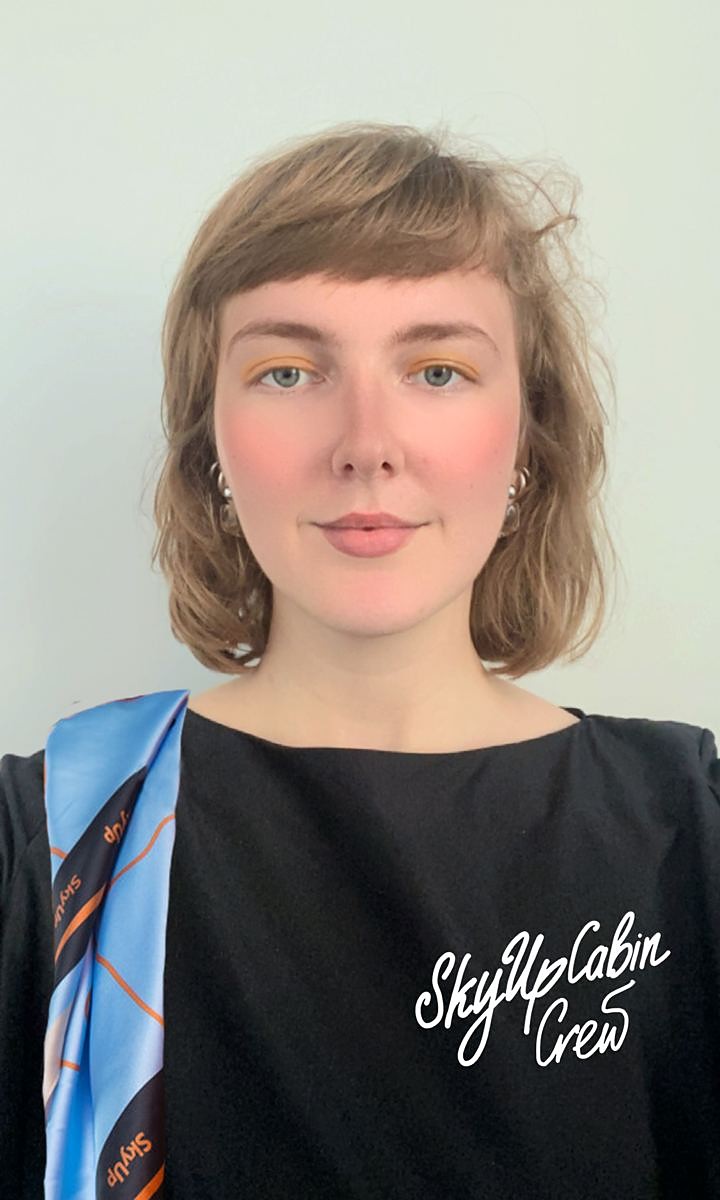
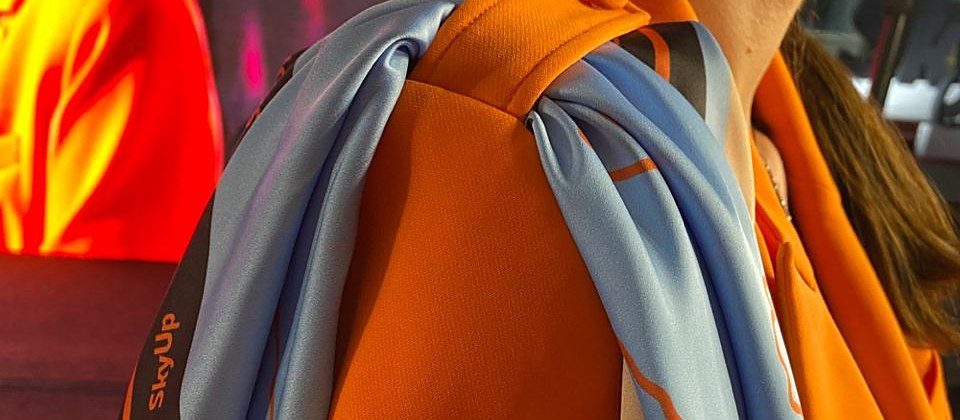
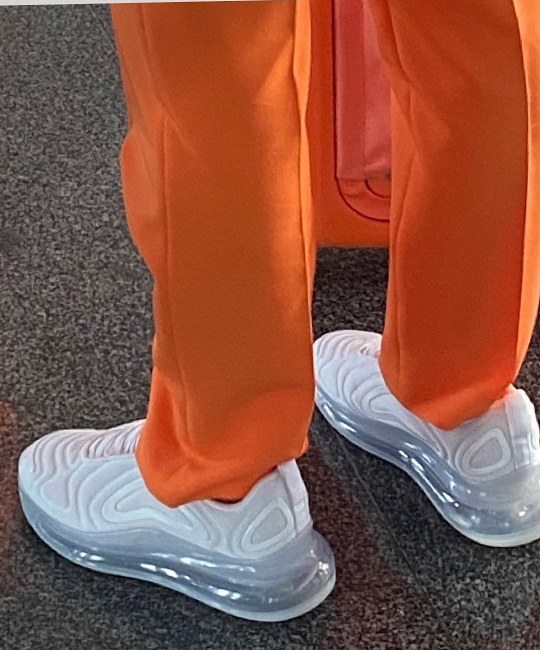
I was on the SMM team that launched SkyUp’s new flight attendant uniform: loose orange suits and white sneakers instead of pencil skirts and heels.
My part was the social media launch — content that people shared because it felt human and fun, not like an airline ad.
The AR mask
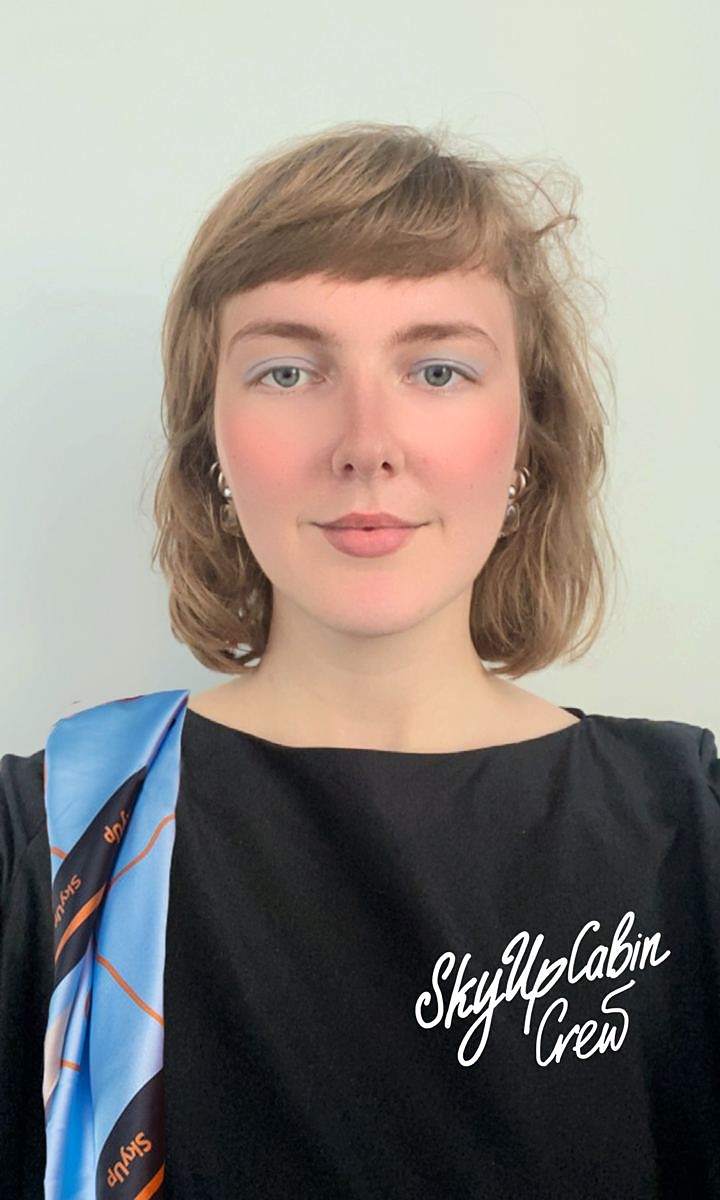
I developed an Instagram AR mask that let anyone “try on” the new cabin crew look.
- makeup and beautification
- a mock‑up of the uniform scarf
- 3D airplane elements
Built with the campaign’s partners: makeup by Backstage beauty salon, Gunia scarves, Nike sneakers and a song by Max Barsky.
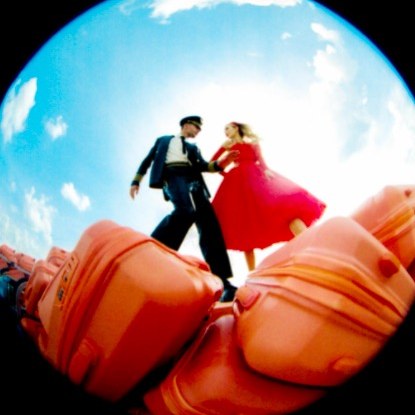
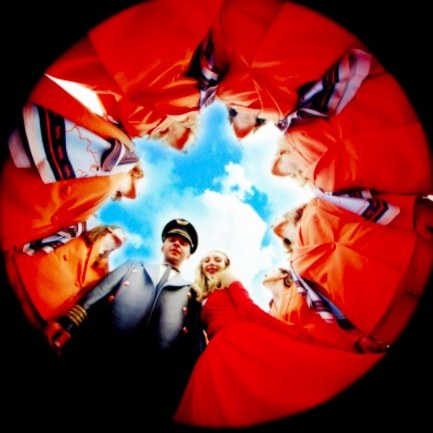 the campaign, through a porthole
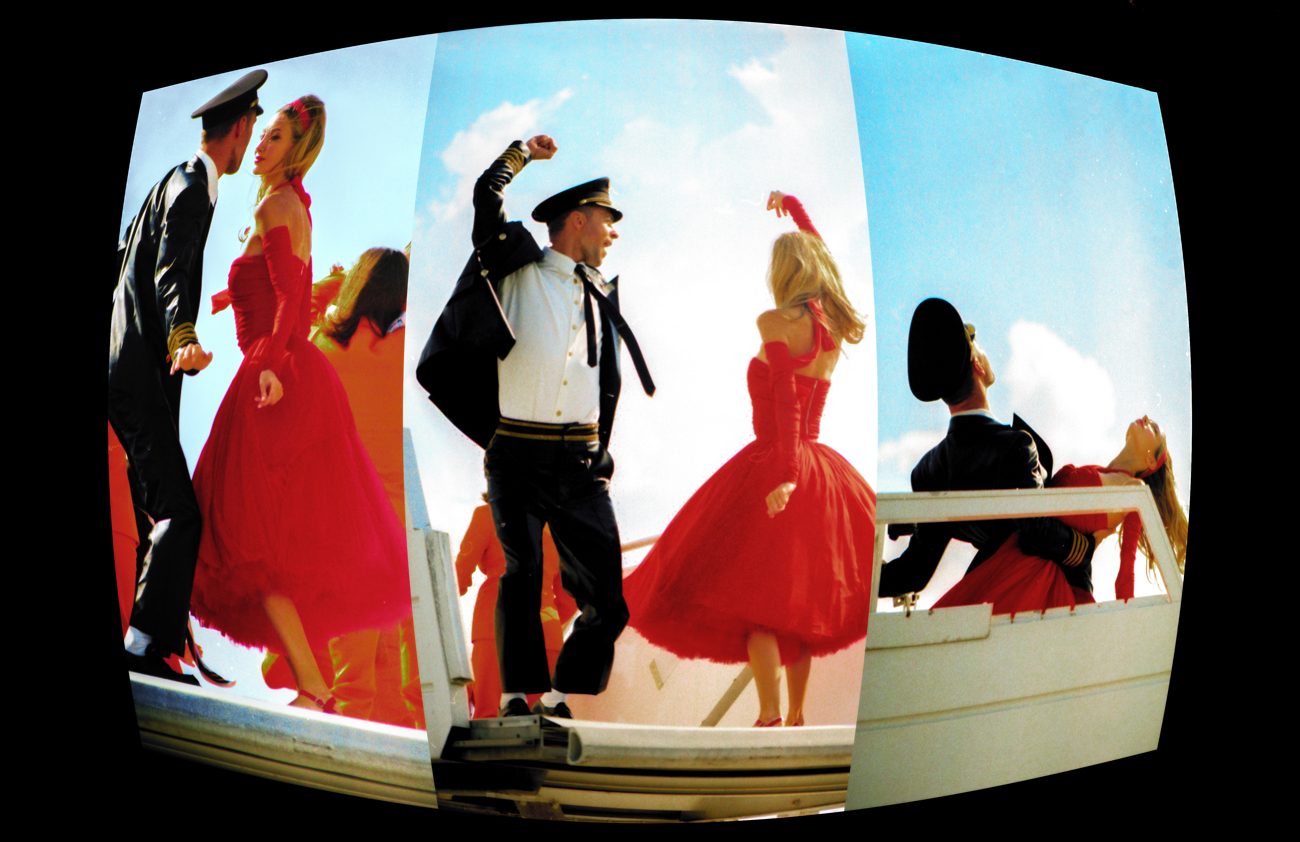
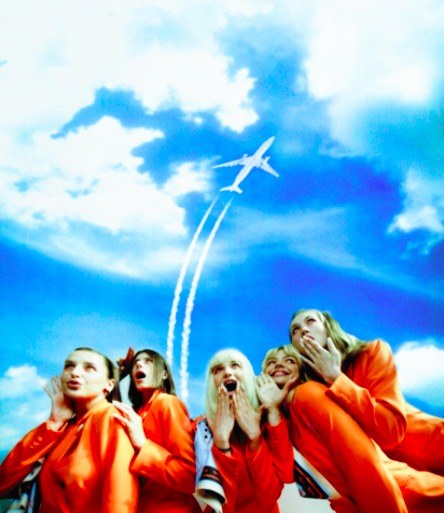
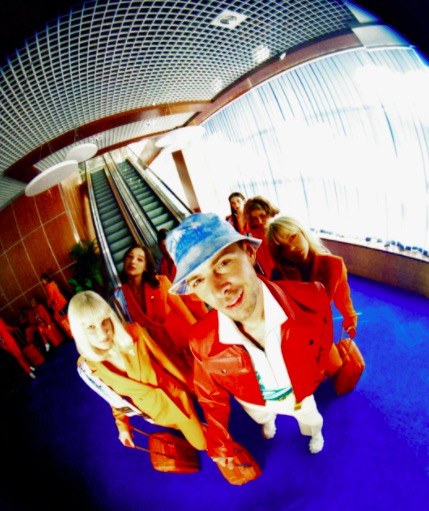
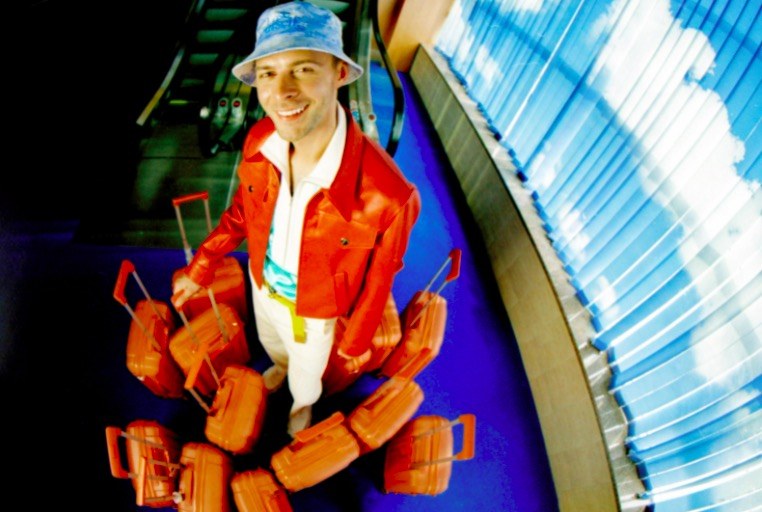
The stories are about SkyUp and the new uniform, not about me — this is the launch I worked on.
A press tour to Kazakhstan
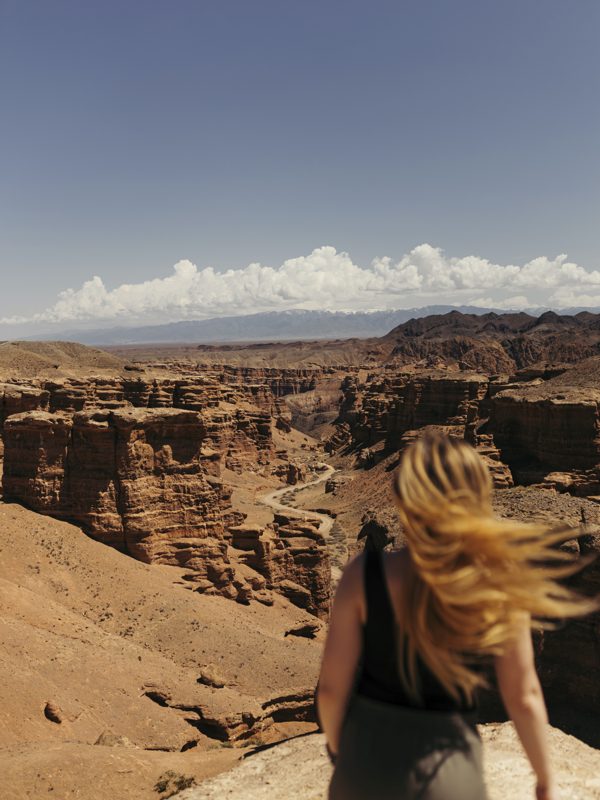
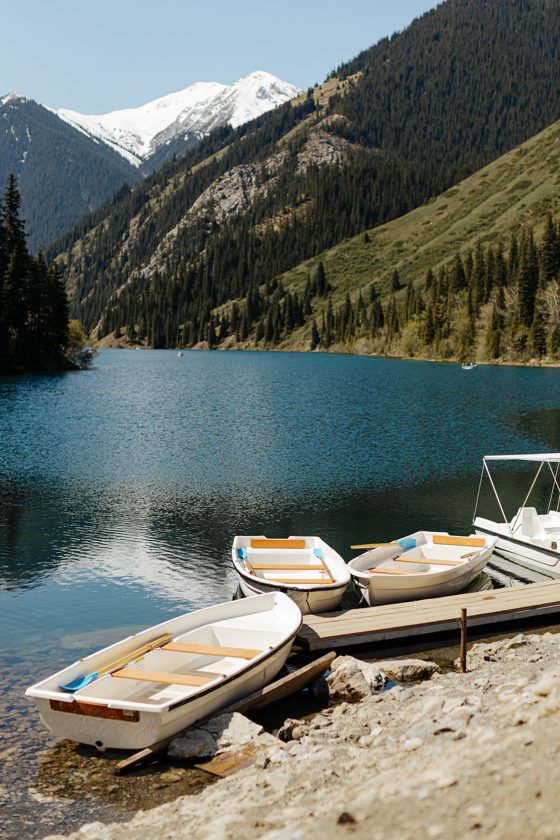
SkyUp × Kazakhstan’s Ministry of Tourism: a press tour for the launch of new direct flights between Ukraine and Kazakhstan — marketing on the level of two countries, not just one brand.
poppy fields, Charyn Canyon, Kolsai Lakes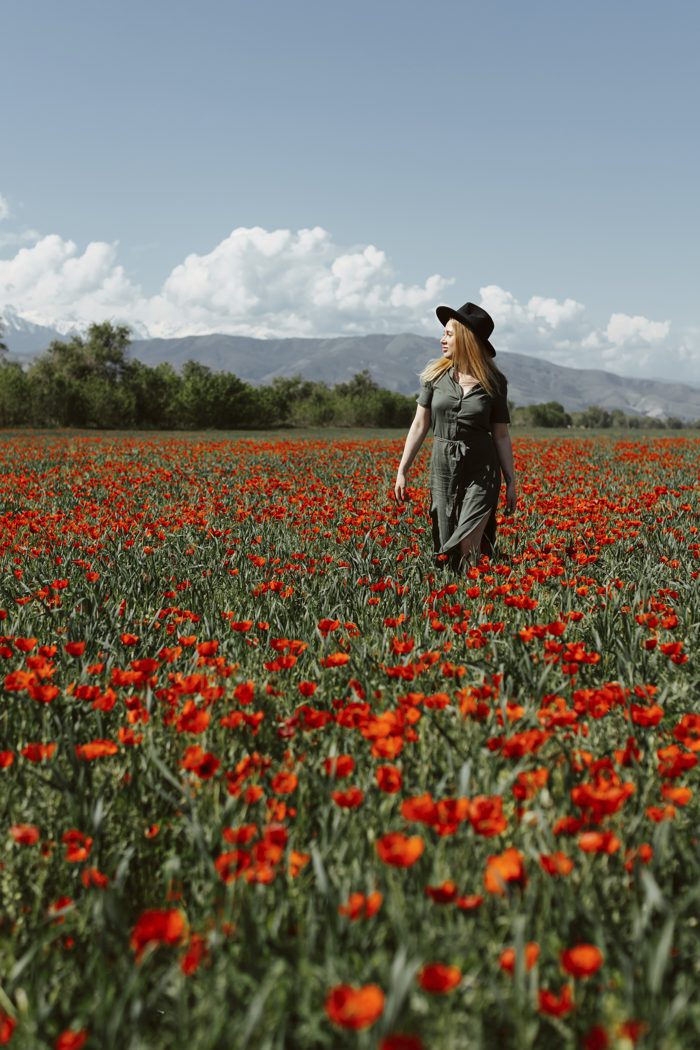

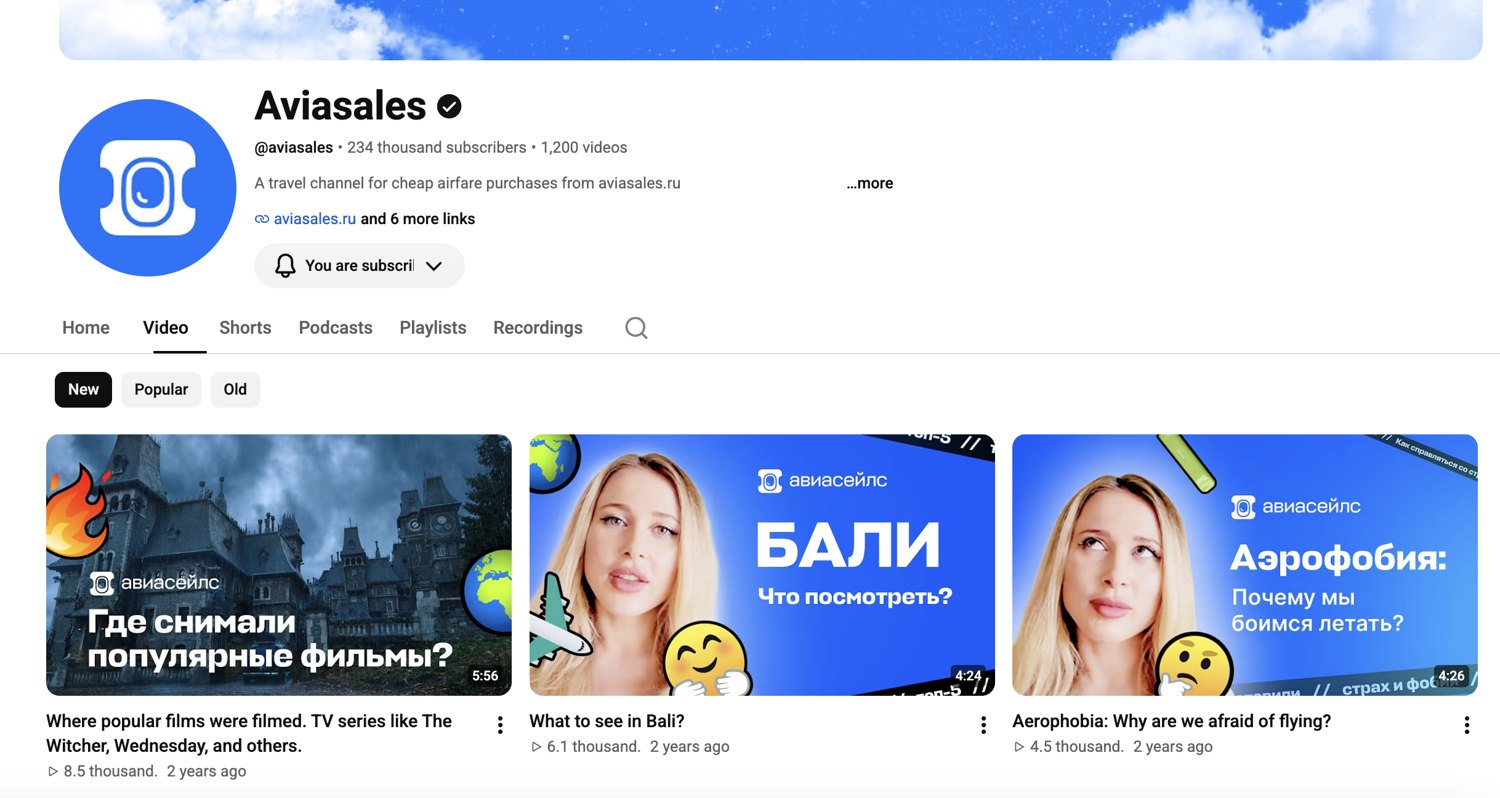
2021–2024AviasalesSMM teamViral Reels with 1–10M views · YouTube: 200K subscribers in 6 months
Viral content
At Aviasales I was responsible for viral video content: Instagram Reels and video memes that people sent to friends with “this is so me.” Reels regularly collected 1 to 10 million views each.
Then I grew the brand’s YouTube channel from zero. After three months of tests I bet everything on Shorts — about 50 videos a month, no ad budget.
2024–2025TravelpayoutsHead of SMMSocial media for an international audience · 4 international travel conferences
Head of SMM
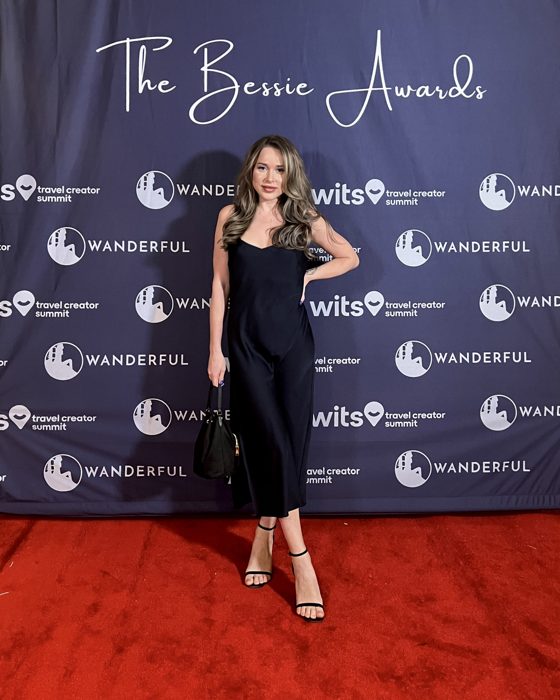
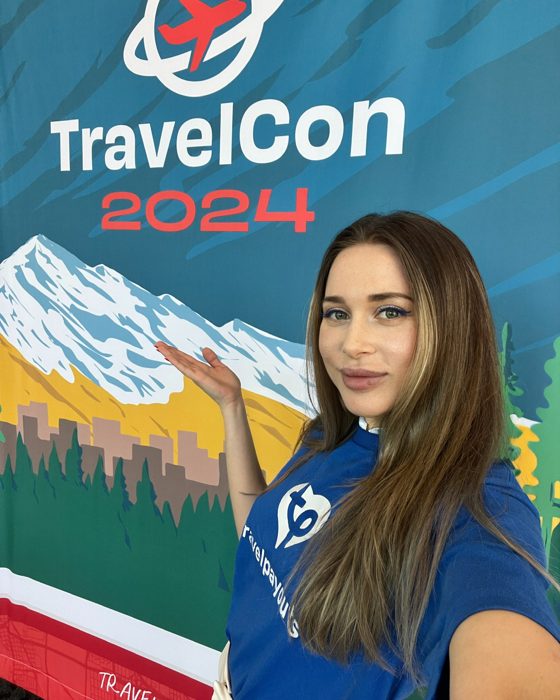
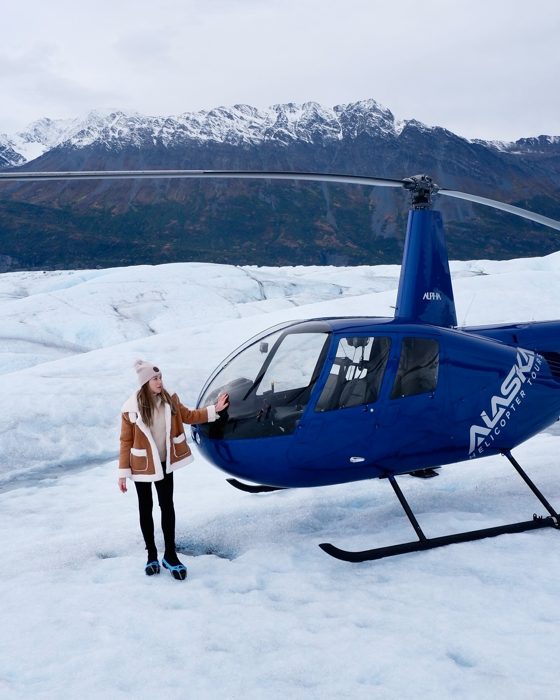
I led social media for Travelpayouts’ international audience of travel creators and represented the company at four international travel conferences in 2024–2025: WITS, TravelCon, TBEX Puerto Rico and TBEX Alaska.
- 2012marketing, day one
- 2020SkyUp Airlines · SMM
- 2021Aviasales · SMM, 2021–2024
- 2023moved to the US · August
- 2023Texas McCombs · PGP in Marketing, 2023–2025
- 2024Travelpayouts · Head of SMM, 2024–2025
- 2026EB‑1A approved
On paper — a solid career. But when I first read the EB‑1A criteria, I couldn’t see myself in them.
Extraordinary? Me?
When I moved to the US, I knew I wanted to build my future here. A talent visa felt cosmically out of reach. I was an extraordinary specialist with a solid case of impostor syndrome: years of experience, sure — but extraordinary?
A million chats, forums and YouTube videos later, I thought: why be modest? And jumped straight into EB‑1A.
The expensivemistakes
Judging, scholarly articles, memberships — it all looked impossible. I had never done anything like it and didn’t know where to start. So I did what many people do: I tried everything at once.
- Pay a PR person a lot of moneylittle result
- Buy expensive articlesuseless
- Join associationswrong field
- Pay membership feesfor the count
I hoped that a chaotic pile of evidence would somehow work.
spoiler: it didn’tThe denial
My first petition came back with a 30‑page RFE — and then a denial.
Two criteria were accepted; the rest were not. I had put in so much time, money and nerves that it felt like it had all been for nothing.
Then I studied every line of that RFE and asked myself honestly what the officer hadn’t seen.
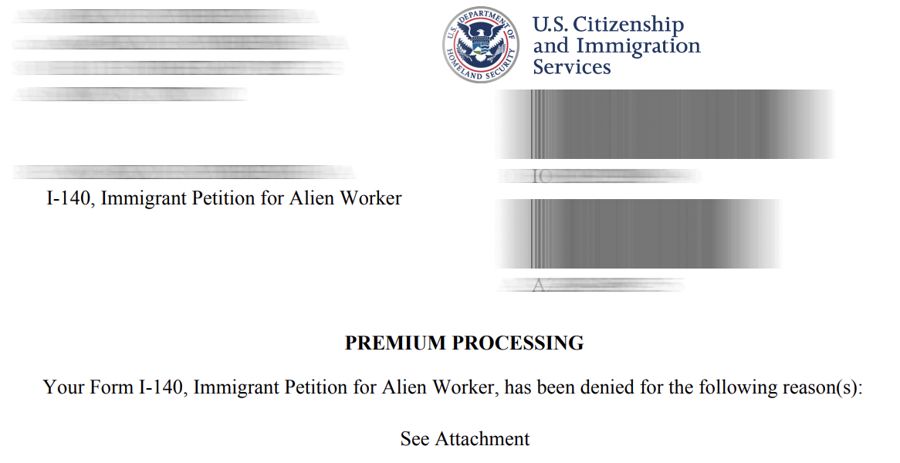
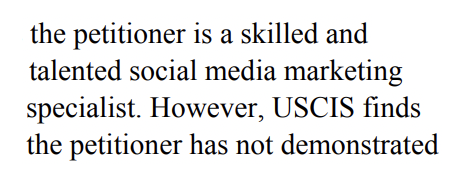
USCIS recognized my professional skills — but the evidence I submitted wasn’t enough to conclude extraordinary ability.
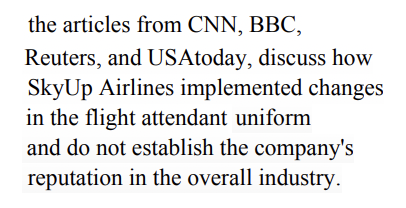
remember the sneakers? The campaign went viral, but the coverage alone didn’t explain my role — or SkyUp’s standing in the industry.
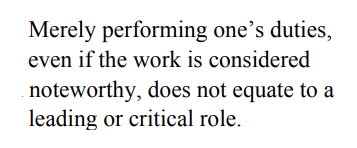
Doing my job well wasn’t enough. I had to show what changed because of my work.
The evidence was there. What was missing: what my results meant — and my own part in them.
The comeback
I rebuilt the petition from scratch.
Same career — a completely different case. Three things changed:
- Focus. I kept five strong criteria, dropped everything that didn’t make the case stronger, and added new evidence: international juries, articles and conference talks.
- Results and contribution. For every project I showed what changed because of my work and what exactly my part was — not just a job title.
- Clarity. I explained the evidence so that someone outside marketing could follow it, with the key points visible at a glance.
One small detail: before filing, I stress‑tested the petition with AI prompted to act as “a strict officer in a bad mood.”

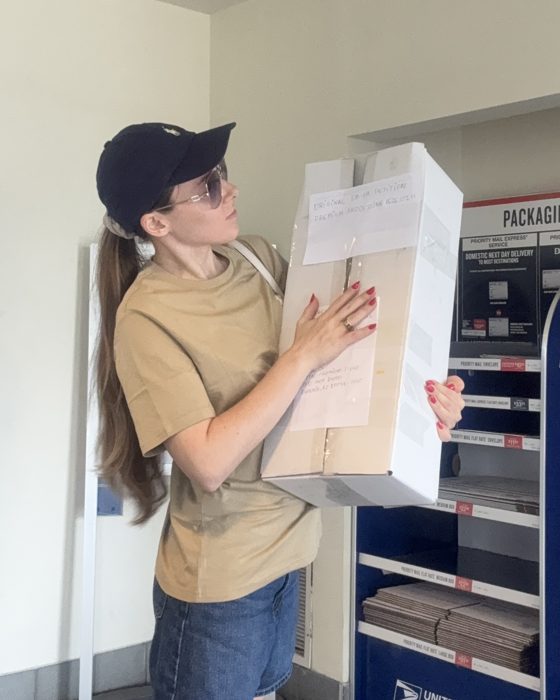
No RFE.
The second filing, with Premium Processing. Stronger evidence, a clearer structure and my contribution spelled out on every page — this time it worked.
Why I do this now
When I started, I looked for someone to trust with my case.
For that money I wanted to understand the process and feel that someone was actually involved. Instead: Bring us everything you have, and we’ll file it.
And I watched talented friends — engineers and entrepreneurs — get denials even with well‑known firms.
I look at every case through the eyes of a marketer:
- 1strategy & positioning
- 2a plan
- 3publications, judging & the rest
A talent visa isn’t something you can fully delegate — no one knows your story better than you. So I work as a mentor: clear tasks with deadlines, feedback on your drafts, regular check‑ins and support along the way.
What I needed wasn’t someone to file papers. I needed someone to help me see my strengths, fix my weak spots and build a strategy.
I couldn’t find that person, so I became her.— and that’s how angelaeva started
Life beyond visas
I’ve explored 70+ countries, many of them solo, and somehow my list keeps getting longer. Give me a camera and a slightly ambitious itinerary, and I’m happy. Somewhere along the way, my love of travel became part of my work, taking me on adventures with hotels, travel brands and volunteer projects around the world.
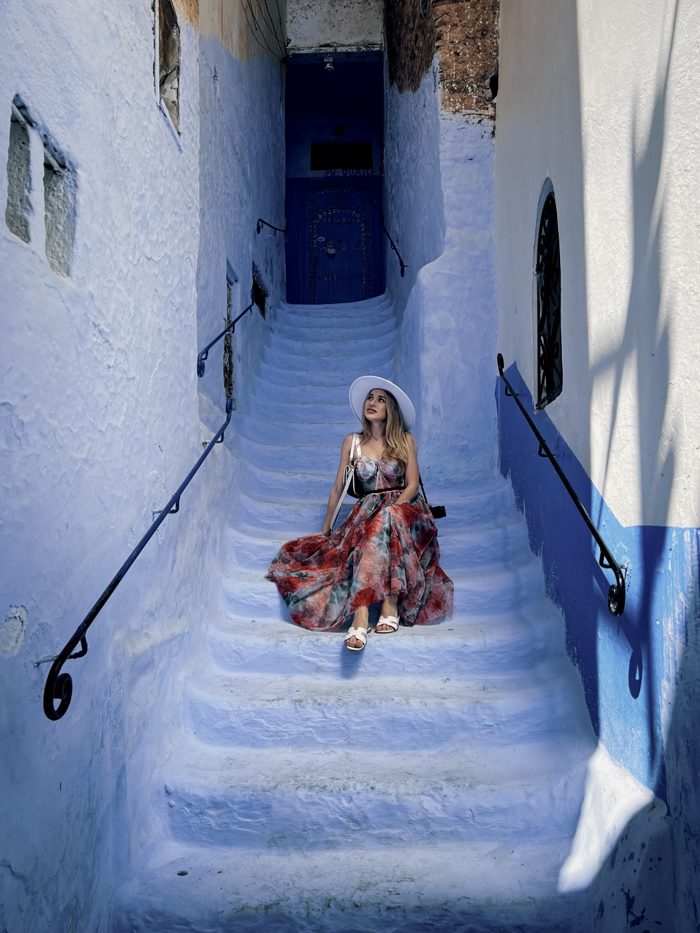
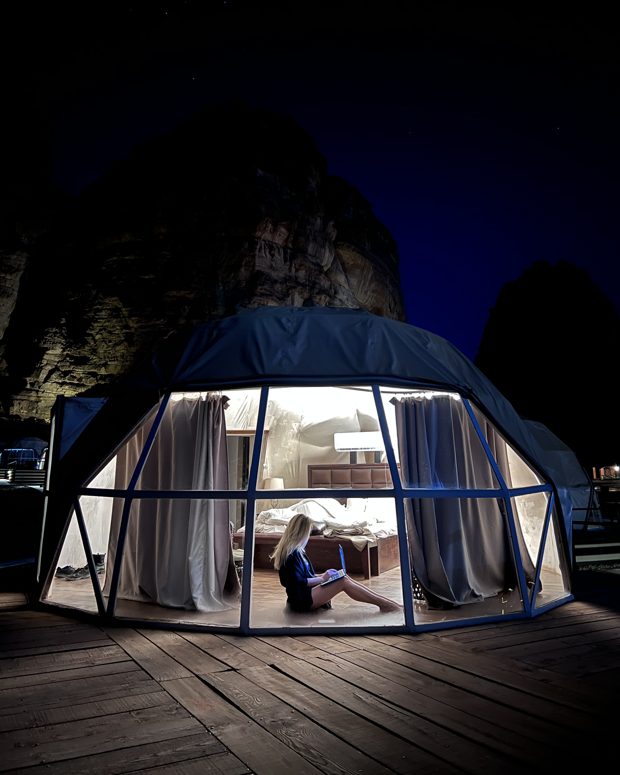
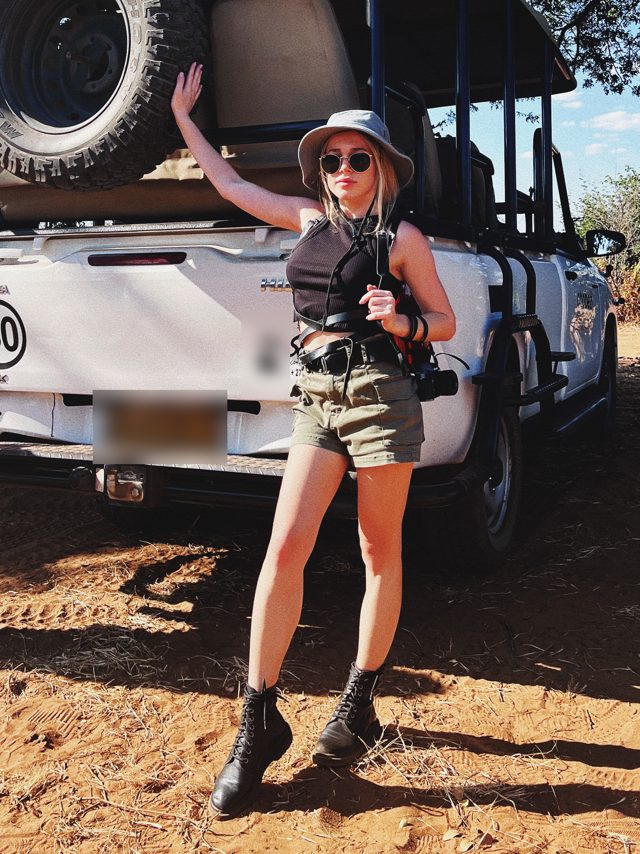
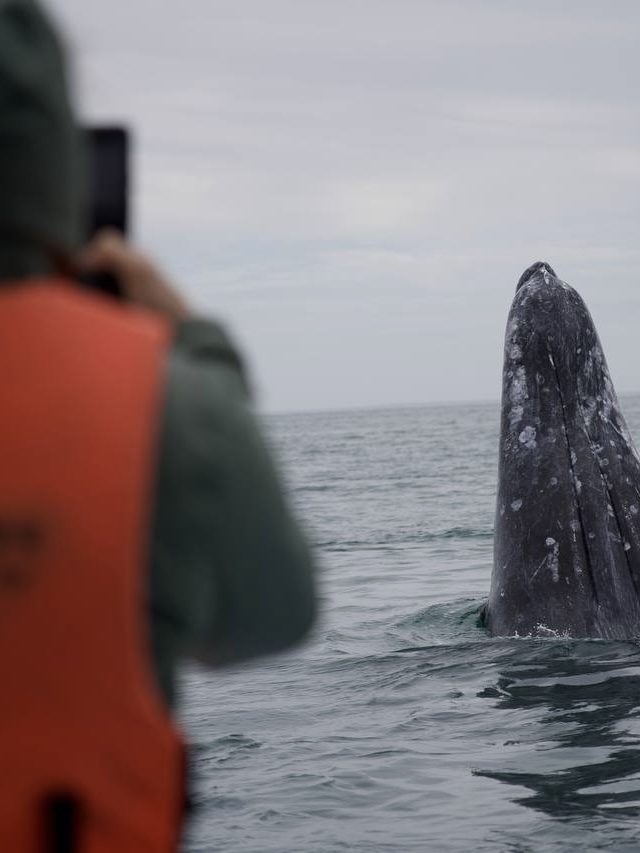
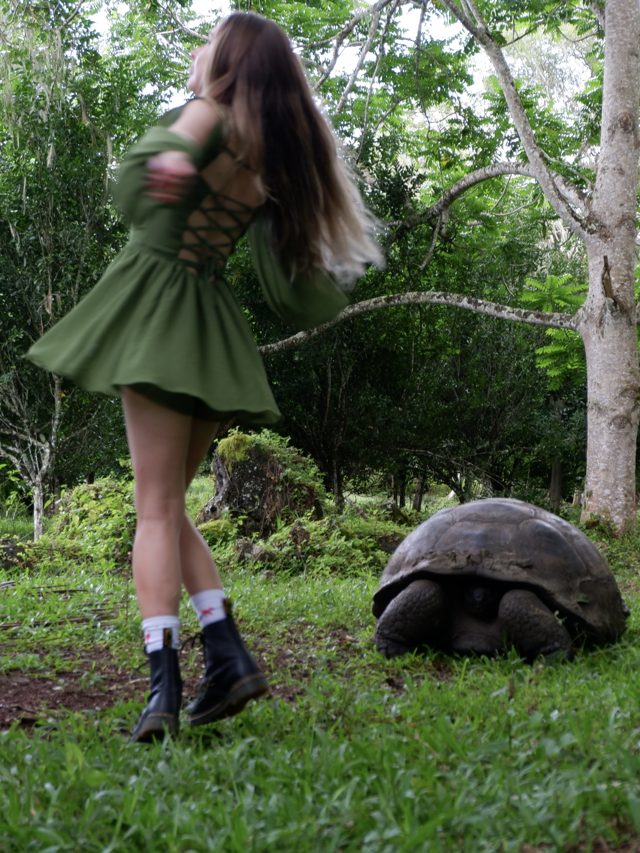
No million followers. Just a camera, a pitch and a plan.
That’s how I’ve worked with hotels, tour operators, National Geographic and volunteer projects — from Morocco and Jordan to Southern Africa, Mexico and the Galápagos. Want to learn how?
Selected work & recognition
- AdForumPHNX Awards jury interviewinterview
- CossaHow to grow a brand on YouTube: the Aviasales strategyauthor case study
- The Big MarketingThe secret to viral SMM strategiesauthor article
- HackerNoonHow big data and analytics are shaping traveler behaviorauthor article
- Business MoleFrom travel marketing to health techfeature
View allShow less
Dream big.The universe hasthe budget for it.
My story taught me this: the experience was there all along. What was missing was a strategy — and evidence that shows what the work really means.
If you’re wondering whether your achievements are visa‑worthy, let’s look at them together. My first clients have already been approved — read their stories.
— Angelika